
Sunlight Zone · 0–200 m
A 1964 Magazine Story Drew the Bermuda Triangle. The Navy Losses Were Real
Flight 19 and the USS Cyclops really did vanish. What Navy, NOAA and Coast Guard records say happened, and why the legend outran them.

0–200 m
Where sunlight still reaches: whales, sharks, turtles and most of the ocean life people ever see.
Photo: Elias Levy / CC BY 2.0
Flight 19 and the USS Cyclops really did vanish. What Navy, NOAA and Coast Guard records say happened, and why the legend outran them.

In 2015 a New York biologist saw a hawksbill turtle shine green and red under blue light, the first sea turtle known to biofluoresce.

In the Denmark Strait, frigid water spills over an undersea ridge and sinks to a depth of nearly 2 miles. No one can see it from the surface.

Each bottlenose dolphin invents a signature whistle. Nearly 50 years of recordings in Sarasota Bay, Florida, show how they use it.

On January 1, 1995, an offshore platform in the North Sea recorded an 84-foot wave in a 39-foot sea. Two decades later, scientists rebuilt it in a tank.

After World War I, Nobel laureate Fritz Haber tried to pay Germany's war debts with gold from the sea. Every better measurement since has found less of it.

It spans about 1.6 million square kilometers between Hawaii and California, yet you could sail through it and see little. Nearly half its weight is nets.

A clotting reaction discovered at Woods Hole in the 1950s became a standard test for bacterial toxins, with shorebirds and a lab-made rival in the mix.

A rockslide into Lituya Bay sent water higher than the Empire State Building. Three fishing boats were anchored in the bay that night.

A turtle's sex is set by nest temperature. On the northern Great Barrier Reef, 99% of young green turtles studied were female.

Off Mississippi and Alabama, scientists found land birds such as brown thrashers and sparrows in the stomachs of 41 out of 105 young tiger sharks.

Humpback whales hurl almost their entire bodies out of the sea, again and again. Scientists now have a good idea why.

The peacock mantis shrimp strikes faster than almost anything in nature, and every punch lands twice.

When life gets hard, Turritopsis dohrnii can turn its adult body back into a baby form and start again.

The octopus is built so differently from us that it is the closest thing to an alien we can meet on Earth.

Scientists stuck a sensor on the largest animal that has ever lived and listened to its heart for nine hours.

The earliest signs of sharks date back around 450 million years. The first trees appeared tens of millions of years later.
Balaenoptera musculus

Chironex fleckeri

Enteroctopus dofleini
Carcharodon carcharias

Somniosus microcephalus

Dermochelys coriacea
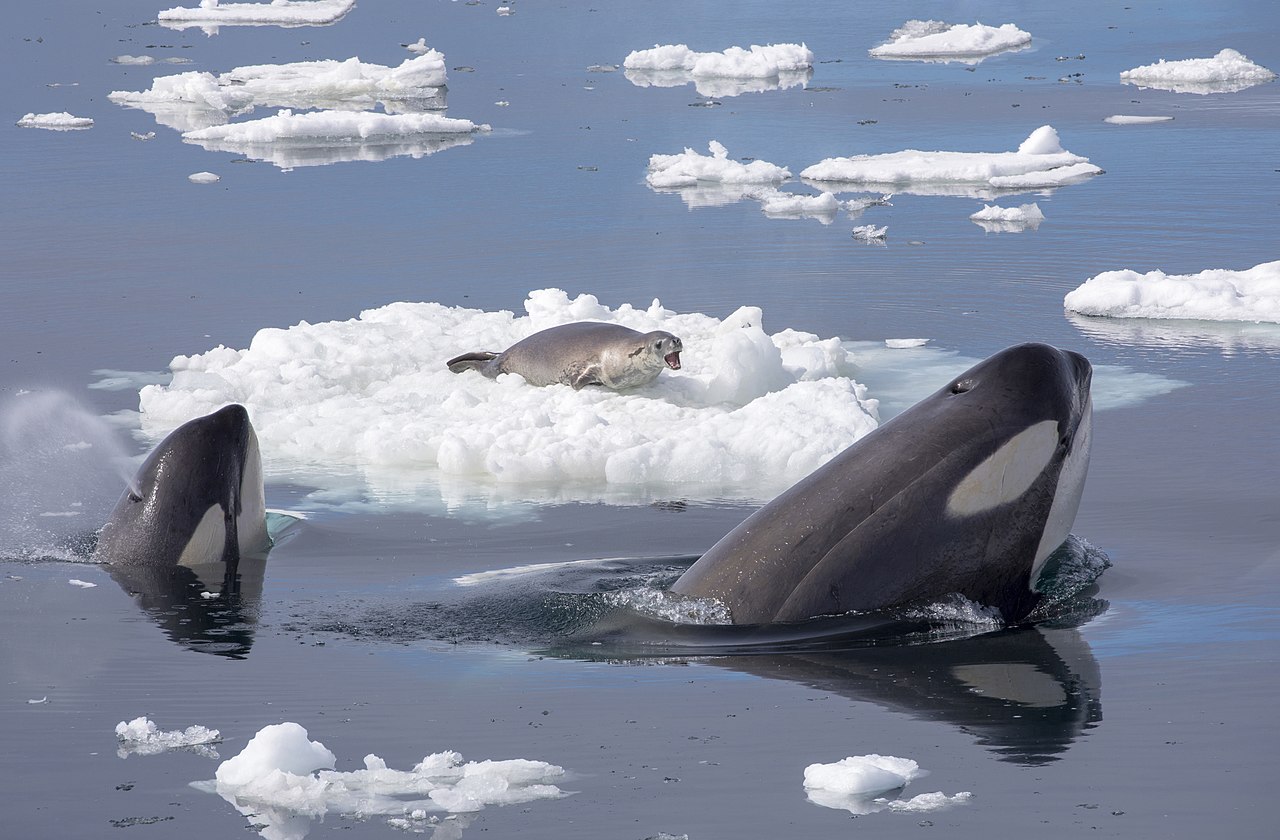
Orcinus orca
Odontodactylus scyllarus

Enhydra lutris